Dog Vomiting – The Thing that Every indian Pet parents should know
I’ll never forget the first time my Labrador, Bruno, threw up at 2 AM. I was terrified. Was it something he ate? Should I rush to the vet immediately? Every pet parent has been there—that sinking feeling when you see your dog unwell.
After years of caring for dogs and consulting with veterinarians across India, I’ve learned that vomiting in dogs is incredibly common. Sometimes it’s nothing serious, just your pup eating too fast or munching on grass. Other times, it signals something that needs immediate attention.
Let me share what I’ve learned through experience, countless vet visits, and helping other pet parents navigate these worrying moments.
Understanding What Your Dog’s Vomit Actually Tells You
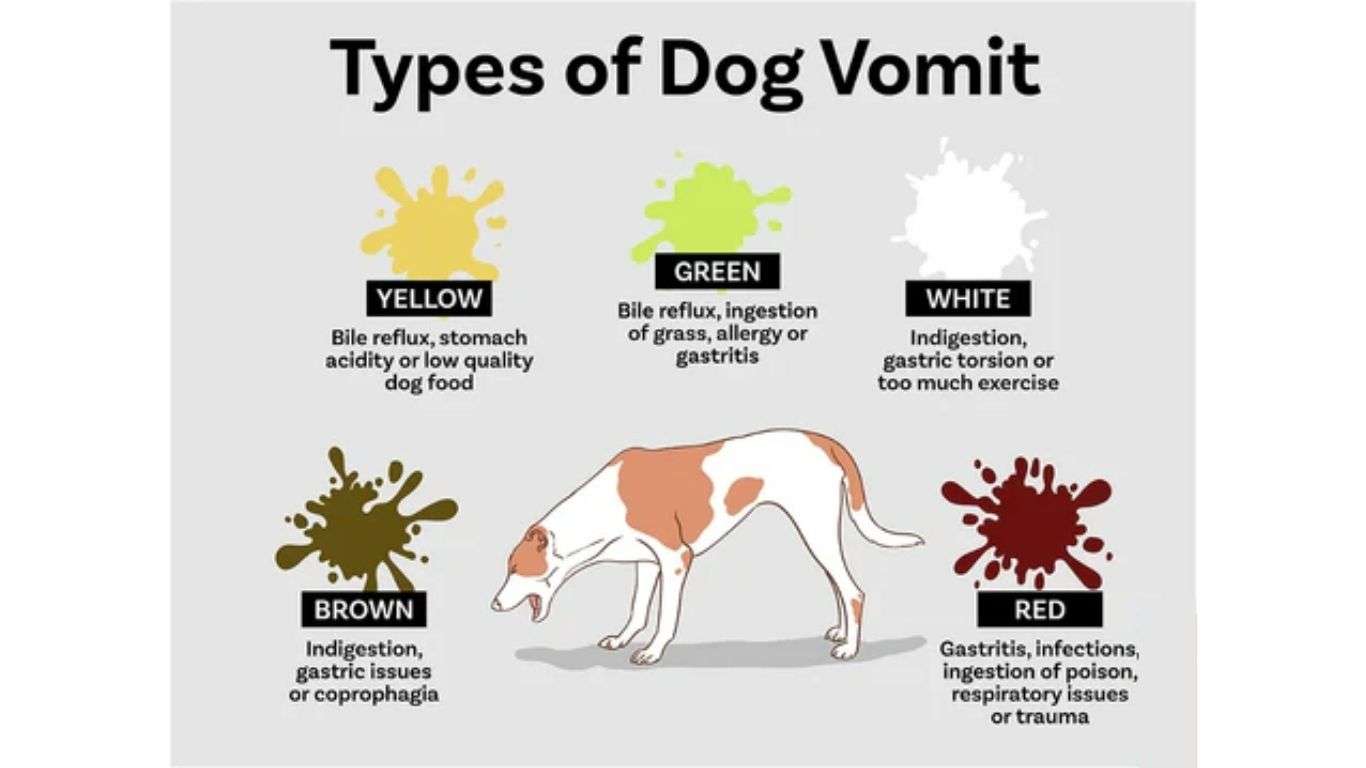
Not all vomit is the same, and I’ve learned to read the signs over the years.
Yellow, bile-filled vomit usually means an empty stomach. Bruno used to do this on mornings when his breakfast got delayed. The solution? Splitting his meals into smaller, more frequent portions worked wonders.
White, foamy vomit often indicates gastritis or indigestion. I’ve seen this happen when dogs drink water too quickly or have an upset stomach.
Undigested food typically means your dog ate too fast. Some dogs—especially rescue dogs who faced food scarcity—gulp down meals like there’s no tomorrow.
Vomit with blood is when you need to act immediately. This isn’t something to wait out or treat at home.
Also Read: Best Eye Drops for Dogs: Uses, Types & Care Tips
Why Dogs Vomit: Real Causes I’ve Encountered
The “Oops, I Ate That” Scenario
Dogs are curious creatures with questionable judgment. I’ve pulled everything from socks to plastic toys from dogs’ mouths over the years. One time, a friend’s Golden Retriever ate half a kitchen towel. These incidents often lead to vomiting as the body tries to expel foreign objects.
What helped: Teaching the “drop it” command and keeping small objects out of reach made a huge difference.
Sudden Diet Changes
I made this mistake with Bruno when I switched his food overnight because a friend recommended a “better brand.” He vomited twice the next day. Lesson learned: transition foods gradually over a week, mixing old and new food in increasing proportions.
The Worm Problem in India
This is huge here. Between monsoons, street exposure, and our warm climate, worm infestations are incredibly common in Indian dogs. I’ve seen perfectly healthy-looking dogs suddenly vomiting because of roundworms or hookworms.
My routine: I deworm my dogs every three months religiously. It’s prevented so many issues.
Infections That Spread Fast
Parvovirus is heartbreaking to witness. I volunteered at a shelter where we lost puppies to parvo despite our best efforts. It progresses terrifyingly fast—from vomiting to severe diarrhea to dehydration within hours.
If your puppy is vomiting and has diarrhea, don’t wait to see if it gets better. Rush to the vet. Minutes matter with parvo.
-

Absolut Pet Hip and Joint Care Dog Supplement
From: ₹629.00 -

Absolut Pet Probiotics Gut Health Dog Supplement
From: ₹674.00 -

Absolut Pet Probiotics Hypoallergenic Gut Health Dog Supplement
From: ₹674.00 -

Absolut Pet Probiotics Hypoallergenic Gut Health Dog Supplement
From: ₹674.00 -

Acana Light & Fit Weight Management Adult Dog Dry Food (All Breeds)
From: ₹399.00 -

Aimil Amheal Vet Spray for Dogs
₹162.00 -

Aimil Amheal Vet Spray for Dogs
₹162.00 -

Aimil Amlycure D S Liquid Supplement for Dogs and Cats
₹281.00 -

Aimil Amlycure D S Liquid Supplement for Dogs and Cats
₹281.00
Food Allergies
Bruno developed a sensitivity to chicken after years of eating it without issues. He’d vomit occasionally, and I couldn’t figure out why until we did an elimination diet. Switching to fish-based food solved the problem completely.
The Indian Summer Challenge
Heatstroke is no joke in our climate. I’ve seen dogs vomit, collapse, and develop seizures from heat exposure during April-June. Always ensure fresh water, shade, and never walk dogs on hot pavement during peak hours.
Travel Sickness
My neighbor’s Beagle vomits every single car ride. Some dogs just have sensitive systems. Motion sickness tablets (prescribed by vets) and keeping windows slightly open have helped many dogs I know.
Warning Signs That Say “Get to the Vet NOW”
Through experience, I’ve learned which symptoms demand immediate veterinary attention:
- Multiple episodes in one day (more than 3 times)
- Any blood in vomit—bright red or coffee-ground appearance
- Vomiting combined with diarrhea in puppies—dehydration happens dangerously fast
- Your dog refusing water—this is a red flag
- A swollen, hard, or painful belly
- Lethargy or weakness—if your normally energetic dog just lies there
- Pale or white gums—indicates serious problems
Trust your instincts. I’ve rushed Bruno to the vet for what turned out to be minor issues, and I’ve never regretted being cautious. Better safe than sorry with our furry family members.
What Actually Works: Treatment from Experience
For Mild, One-Time Vomiting
When Bruno vomits once with no other symptoms, here’s my approach:
- Rest the stomach for 2-3 hours—no food, just tiny sips of water
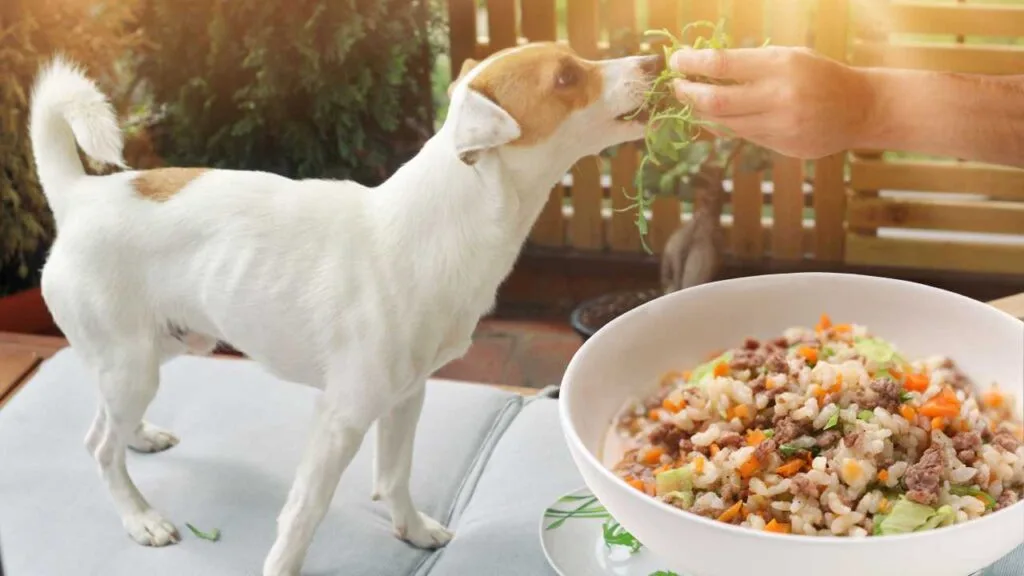
- Start with bland food—I use boiled rice with boiled chicken (no skin, no seasoning)
- Small portions—a few spoonfuls every 2 hours rather than one big meal
- Monitor closely for the next 24 hours
This approach has worked countless times for minor upsets.
The Supplement Game-Changer
Adding a good probiotic to Bruno’s diet reduced his digestive issues significantly. Dogs’ gut health matters just as much as ours. I wish I’d known this years earlier.
What’s helped dogs I know:
- Daily probiotics for gut health
- Digestive enzymes for older dogs
- Electrolyte solutions after vomiting episodes
Deworming: Non-Negotiable
Every three months, without fail. I set phone reminders. Worms cause so many preventable problems, from vomiting to poor coat condition to weight loss.
When Antibiotics Are Needed
Only a vet should prescribe these, and you need genuine medications. I’ve heard horror stories of pet parents buying cheap antibiotics online that turned out to be fake or expired. This is where trusted sources matter.
Where I Source My Pet Medicines
After years of trial and error, I’ve learned that quality matters enormously with pet medications. Fake or substandard medicines won’t just fail to work—they can harm your dog.
I’ve found Fifozone to be reliable for:
- Authentic dewormers (I use these quarterly)
- Digestive supplements and probiotics
- Electrolyte solutions for rehydration
- Flea and tick treatments
- Quality dog food for sensitive stomachs
Why this matters: Once, I bought a cheaper dewormer from a random website. It didn’t work. Bruno still had worms. I wasted money and delayed proper treatment. Now I stick with verified sources that sell genuine, vet-approved products.
Their delivery across India is consistent, and their customer support actually knows about pet care—not just order tracking.
Home Remedies: What’s Safe, What’s Dangerous
I’ve seen well-meaning pet parents make mistakes here:
Never give:
- Human anti-vomiting medicines
- Milk (it often makes things worse)
- Spicy or oily foods
- “Remedies” from random internet forums
What’s actually safe:
- Plain boiled rice
- Boiled chicken (boneless, skinless)
- Plain curd (small amounts)
- Plenty of fresh water
Keep it simple and safe.
Prevention: What I Wish I’d Known Earlier
1. Consistency is key Dogs thrive on routine. Same food, same times, same portions. Bruno’s stomach is much happier since I got disciplined about this.
2. Quality food matters I used to buy whatever was cheapest. After switching to better quality food suited to Bruno’s age and activity level, his overall health improved dramatically—shinier coat, more energy, fewer digestive issues.
3. Hydration in our climate I keep multiple water bowls around the house and garden. In summer, I add ice cubes. Dehydration contributes to so many health problems.
4. Regular vet check-ups Annual check-ups catch problems early. It’s cheaper and less stressful than emergency visits.
5. Vaccinations current Parvo, distemper—these preventable diseases still kill dogs in India. Keep vaccinations updated religiously.
6. Flea and tick control Tick fever causes vomiting along with other serious symptoms. Monthly prevention is easier than treatment.
Also Read: 5 Common Indian Foods You Can Safely Feed Your Dog
Questions Pet Parents Actually Ask Generally
Should I wait it out or go to the vet?
If you’re worried enough to ask this question, call your vet. They can help you assess over the phone whether it’s urgent. I’ve never had a vet be annoyed by a concerned pet parent calling.
Can stress cause vomiting?
Yes, absolutely. Dogs are sensitive creatures. Moving houses, new family members, loud noises—stress manifests physically. Bruno vomited during Diwali fireworks for years until we started managing his anxiety better.
How long is too long to wait?
If vomiting continues beyond 6-8 hours, or if any concerning symptoms appear, don’t wait. Time is critical, especially with puppies.
Are expensive medicines always better?
Not necessarily, but genuinely manufactured medicines from reputable sources are essential. It’s not about expensive brands—it’s about authentic, safe products.
Final Thoughts from Experience
Caring for dogs in India comes with unique challenges—heat, monsoons, street exposures, varied food quality. But it’s also incredibly rewarding.
The key lessons I’d share: stay calm, observe carefully, act quickly when needed, and use only trusted products for your pet’s health.
Bruno is 8 years old now and thriving. He still occasionally vomits (usually after sneaking food he shouldn’t have), but I’ve learned to read the signs, respond appropriately, and know when to worry versus when to simply withhold food for a few hours.
Your dog depends on you to make the right decisions for their health. Trust your instincts, consult professionals when unsure, and never compromise on the quality of their care.
Every dog is different, every situation is unique, but being informed and prepared makes all the difference. Stay observant, stay caring, and your furry friend will thrive.