

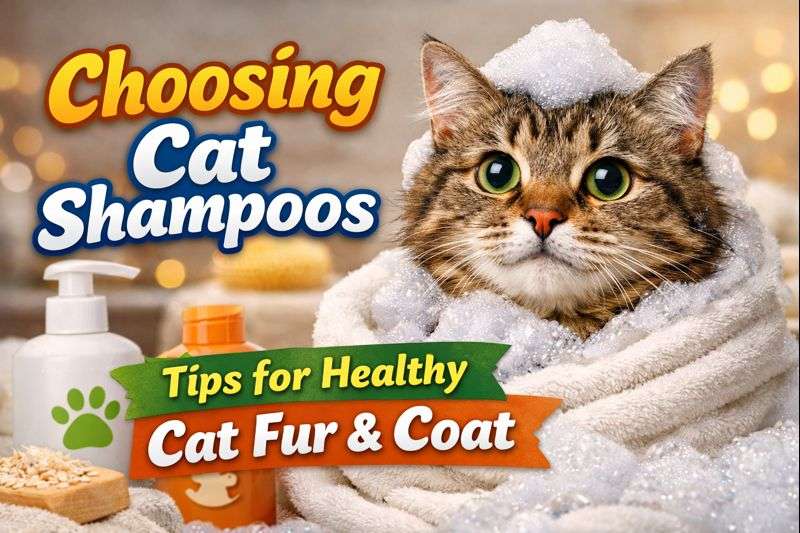
I’ll never forget the first time I bathed a long-haired Persian who’d gotten into something sticky in the garage. I grabbed what I thought was a gentle shampoo, and within minutes, her skin turned pink and irritated. That experience taught me more about feline skin chemistry than any product label ever could.
Most cats don’t need frequent baths—their self-grooming usually does the job. But when you do need to bathe your cat, whether they’ve rolled in something foul or have a skin condition, the shampoo you choose matters more than you might think.
Why Cat Shampoos Are Different From What’s in Your Shower
Here’s something that catches many pet parents off guard: cat skin has a pH of around 6.2 to 7.5, while human skin sits closer to 5.5. That seemingly small difference means your favorite gentle baby shampoo can actually disrupt your cat’s skin barrier.
I learned this the hard way when a client used their own moisturizing shampoo on their cat. The cat’s coat looked clean initially, but within days, the skin became flaky and the fur lost its natural oils. The moisturizers meant for human hair had essentially suffocated the cat’s skin, preventing it from regulating oil production properly.
Dog shampoos aren’t much better. Many contain permethrin or other ingredients that are safe for dogs but can be genuinely dangerous for cats. A Siamese I worked with had a seizure after being bathed with a borrowed dog shampoo—a terrifying reminder that species-specific products exist for good reasons.
Explore our Products: Cat Product List
What Actually Matters When Reading a Label
Walk into any pet store and you’ll face dozens of options, each claiming to be the gentlest or most effective. I’ve tested many of them, and here’s what I focus on now:
The ingredient list tells you more than the marketing copy ever will. Look for the actual cleansing agents listed. Mild surfactants like cocamidopropyl betaine or decyl glucoside work well for most cats. These clean without stripping away too much of the natural sebum that keeps a cat’s coat healthy.
I’m particularly cautious with shampoos containing artificial fragrances. Cats have a sense of smell that’s roughly 14 times stronger than ours. That “fresh lavender” scent you find pleasant might be overwhelming to your cat, potentially causing stress or reluctance to groom. I’ve watched cats refuse to lick their own fur for hours after being bathed with heavily scented products.
For cats with white or light-colored fur, some people reach for brightening shampoos. These often contain optical brighteners or even small amounts of bluing agents. They’re generally safe when used occasionally, but I don’t recommend them for regular use. One cream-colored Persian I bathed monthly with a brightening formula developed dry skin after about four months. We switched to a plain moisturizing shampoo, and her coat still looked great—just without the artificial enhancement.
Matching Shampoo to Your Cat’s Actual Needs
Not all cats require the same approach. A sleek Siamese has completely different needs than a Maine Coon with an undercoat that could insulate a small house.
For short-haired cats, I typically recommend straightforward, no-frills formulas. These cats rarely need extra moisturizing or detangling properties. A basic hypoallergenic shampoo works well. I’ve had success with products that rinse out quickly—this matters more than you’d think when you’re dealing with an impatient cat.
Long-haired breeds benefit from shampoos with some conditioning properties, but be careful here. Too much conditioning can make the coat limp and actually attract more dirt. I’ve found that using a light conditioning shampoo followed by a very diluted conditioner on just the long fur (avoiding the skin) works better than heavy all-in-one products.
For cats with sensitive skin or allergies, oatmeal-based shampoos have worked consistently well in my experience. The colloidal oatmeal soothes irritation and doesn’t typically trigger reactions. That said, I once encountered a cat who was actually allergic to oats, so if you notice increased scratching or redness after bathing, consider that possibility.
Medical conditions change everything. When dealing with ringworm, bacterial infections, or seborrhea, your vet will likely prescribe specific medicated shampoos. I’ve worked with antifungal shampoos containing miconazole, antibacterial ones with chlorhexidine, and therapeutic options with coal tar derivatives. These aren’t interchangeable—use exactly what your vet recommends and follow the contact time they specify. Most medicated shampoos need to sit on the skin for 5-10 minutes to work properly, which can feel like an eternity with an unhappy cat.
The Waterless Shampoo Question
Waterless or dry shampoos appeal to many cat owners, especially those whose cats turn into miniature tornados at the sight of water. I use these occasionally, but they’re not a replacement for actual bathing when a cat is truly dirty or has a skin condition.
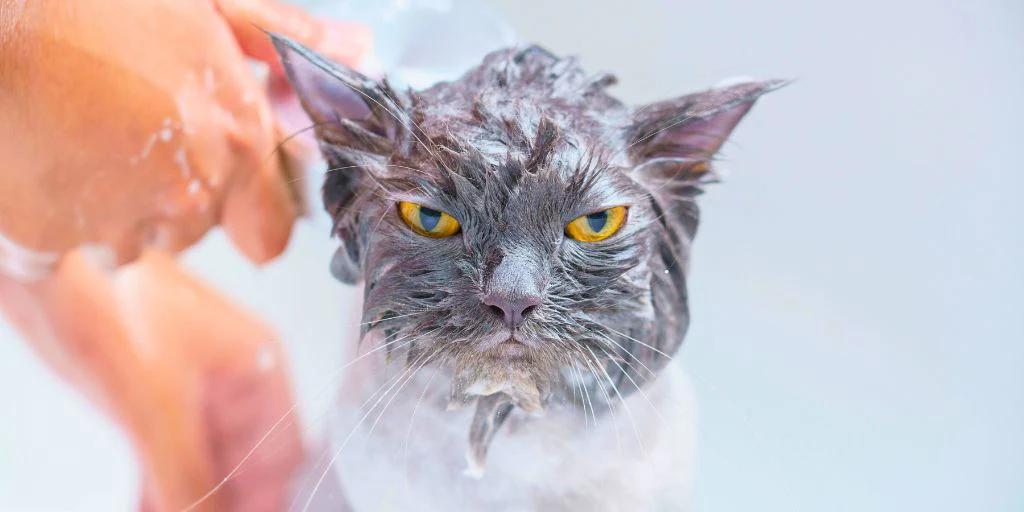
These products work by absorbing oils and can freshen up a coat between baths. They’re useful for elderly cats who struggle with temperature regulation or for quick touch-ups on specific dirty spots. However, I’ve noticed they can leave residue if overused. One owner was using waterless shampoo weekly on their indoor cat, and over time, the fur developed a dull, slightly tacky texture. We cut back to monthly use, and the coat improved noticeably.
Some waterless formulas contain alcohol, which evaporates quickly but can be drying. If you go this route, choose one with moisturizing ingredients like aloe or vitamin E.
Application Technique Matters More Than Most People Think
Even the perfect shampoo can cause problems if you don’t use it properly. Here’s what I’ve learned through trial, error, and many scratches:
Always dilute concentrated shampoos before applying them. Mix about a tablespoon of shampoo with a cup of warm water. This makes it easier to distribute evenly and rinse out completely. Concentrated shampoo applied directly to fur often doesn’t rinse away fully, leaving a residue that can irritate skin or make the coat look dull.
Focus the shampoo on the skin, not just the fur. Work it down to the skin with your fingertips, using gentle circular motions. The skin is where most oils, dander, and potential irritants accumulate. However, avoid the face entirely unless you’re using a specific tearless formula. Even then, I prefer using a damp cloth for facial cleaning.
The rinse is actually more important than the wash. I can’t emphasize this enough—leftover shampoo causes more problems than I can count. Rinse until you think you’re done, then rinse for another two minutes. The water should run completely clear, and when you squeeze the fur, no suds should appear. I’ve seen cats develop contact dermatitis simply from inadequate rinsing.
Red Flags I’ve Learned to Watch For
Some ingredients sound beneficial but can cause issues. Tea tree oil, for instance, appears in some “natural” pet shampoos. In high concentrations, it’s toxic to cats. Even in diluted forms, I’ve seen it cause drooling and lethargy. If a shampoo contains tea tree oil, I skip it entirely.
Essential oils fall into a similar category. Many sound appealing—eucalyptus, peppermint, citrus oils—but cats lack certain liver enzymes needed to process these compounds. While a properly formulated shampoo with very diluted essential oils might be safe, why take the risk when there are plenty of effective alternatives?
I’m also cautious with “natural” or “organic” labels used as selling points without meaningful certification. These terms aren’t strictly regulated for pet products. I’ve seen “all-natural” shampoos that still caused reactions, while some conventional formulas with synthetic ingredients worked beautifully.
When Bathing Isn’t Actually the Answer
Sometimes skin and coat problems look like they need a shampoo solution when the real issue lies elsewhere. I worked with a cat whose owner was constantly bathing her for dandruff and dull fur. After some investigation, we realized the cat’s diet was lacking in omega-3 fatty acids. Two months after adding fish oil supplements, her coat improved dramatically—no special shampoos required.
Overgrooming that leads to bald patches might seem like a grooming issue, but it’s often stress-related or caused by allergies. Bathing won’t fix the underlying problem and might actually increase stress.
If your cat suddenly needs frequent baths due to greasiness, excessive dander, or odor, that warrants a vet visit. These can indicate thyroid problems, diabetes, or other medical conditions that no shampoo will address.
Building a Realistic Approach
Most healthy cats need baths infrequently—perhaps a few times per year at most, unless they get into something messy. I’ve met cat owners who bathe their pets monthly “to keep them clean,” but this often does more harm than good, stripping natural oils and potentially leading to skin problems.
When you do bathe your cat, having the right shampoo ready reduces stress for both of you. I keep a basic hypoallergenic formula on hand for emergency situations and a slightly more specialized one appropriate for each cat’s coat type.
The best shampoo is ultimately one that cleans effectively, rinses out completely, doesn’t irritate your specific cat’s skin, and doesn’t make bath time more stressful than necessary. That might be a $8 basic formula or a $20 specialty product—price doesn’t determine effectiveness nearly as much as compatibility with your individual cat.
Pay attention to how your cat’s skin and coat look and feel days after a bath, not just immediately after. That’s when you’ll notice if something isn’t working right. A healthy coat should look glossy, feel soft without being greasy, and your cat should resume normal grooming behavior within a few hours of being dried.
Your cat’s skin and coat are responsive barometers of their overall health. The right shampoo supports that health when bathing is necessary, but it’s just one small piece of proper feline care.