
5 Common Indian Foods You Can Safely Feed Your Dog
Medical Disclaimer: This article is for educational purposes only and should not replace professional veterinary advice. Always consult your veterinarian before introducing new foods to your dog’s diet.
Introduction: A Relatable Hook
Ever caught your dog staring longingly at your plate of rice or chapati and wondered if it’s safe to share? If you’re a pet parent in India, chances are you’ve experienced this heart-melting moment more than once. Dogs are curious eaters, and in most Indian households, our furry friends often try to sneak a bite of what’s on our plates.
But while some foods are perfectly safe—and even beneficial—others can be harmful or toxic to dogs. As pet parents, we want to do the best for our companions, but it’s easy to get confused with conflicting advice. This article will guide you through five common Indian foods that are safe for dogs, their health benefits, and how to feed them responsibly.
Why Human Food Can Be Tricky for Dogs
Dogs don’t digest food the same way humans do. While a piece of roti or rice may seem harmless, many everyday foods contain ingredients that are unsafe for dogs. For example, onions and garlic—staples in Indian cooking—can damage red blood cells and cause serious illness in pets. Spices, oils, and excess salt can upset their stomach and lead to long-term health problems.
This is why moderation and veterinary guidance are essential. If you’re unsure whether your dog is getting complete nutrition, supplements designed specifically for pets can be a safer and more controlled option. Explore our range of dog supplements
5 Safe Indian Foods for Dogs
Rice
Rice is one of the easiest foods for dogs to digest, making it an excellent option for pups with sensitive stomachs or those recovering from an upset tummy.
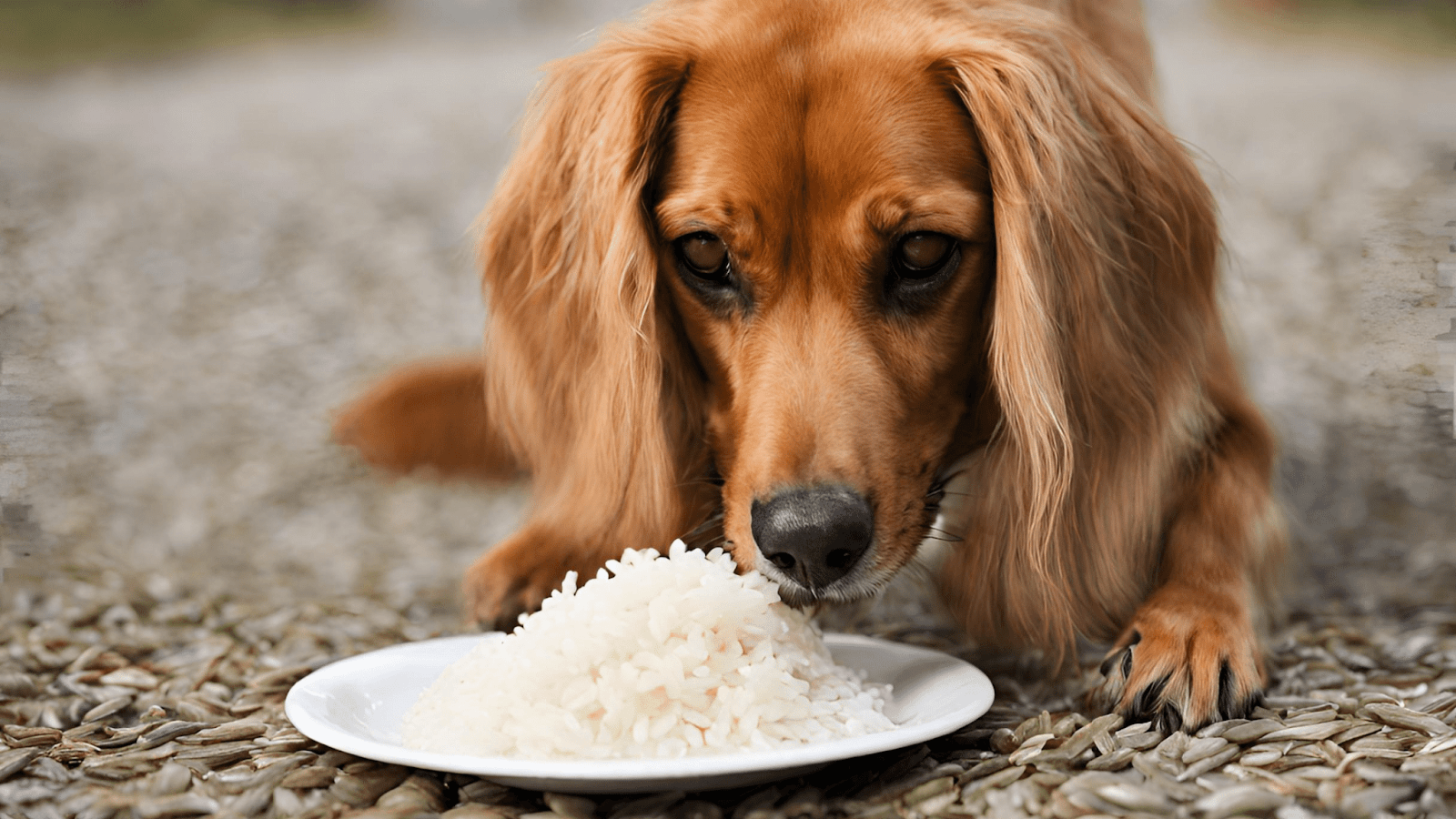
How to serve: Always give plain, boiled rice without spices, salt, or oil. A small serving of white rice mixed with boiled chicken can help soothe digestive troubles.
Product tip: To boost gut health further, consider pairing rice meals with a high-quality dog probiotic supplement.
Curd (Dahi)
Plain curd is rich in probiotics that can support digestion and promote a healthy gut microbiome in dogs. It’s also a refreshing summer treat that keeps dogs cool.
Feeding tips: Offer small amounts of plain, unsweetened curd. Avoid flavored or sweetened varieties, as artificial sweeteners and sugar can be harmful.
Product tip: For dogs with sensitive digestion, you can also explore dog-specific probiotic powders that deliver similar benefits in a controlled dosage.
Pumpkin (Kaddu)
Pumpkin is a superfood for dogs. Its high fiber content makes it effective for regulating digestion—it can help with both constipation and diarrhea.
Serving ideas: Offer steamed, boiled, or mashed pumpkin in small portions. Make sure it’s plain and unseasoned.
Product tip: Pairing pumpkin with a daily dog multivitamin can further support digestive balance and overall well-being. [Internal Link Placeholder: Dog Multivitamins Collection].
Carrots (Gajar)
Carrots are low in calories but rich in vitamins and antioxidants, particularly beta-carotene, which supports eye health and immunity. They also serve as natural chew sticks, promoting dental health.
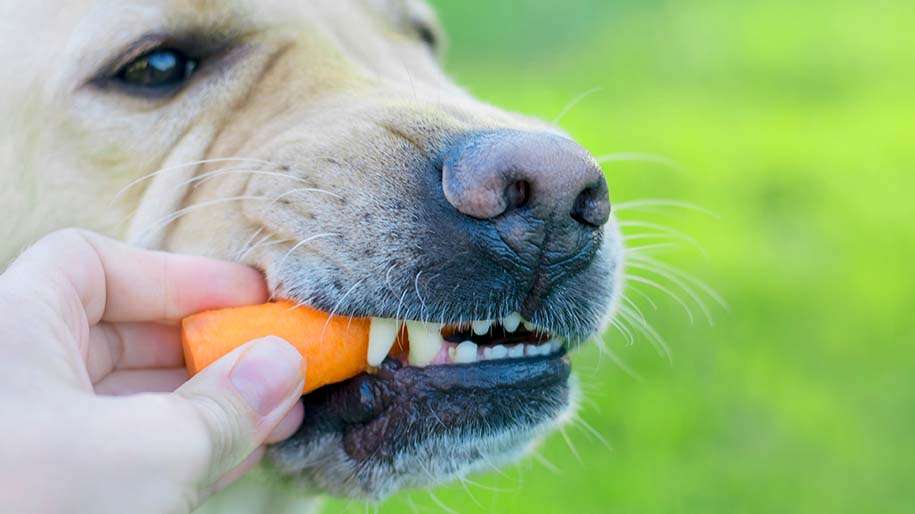
How to serve: Offer raw carrots as crunchy treats or boil them lightly for easier digestion.
Product tip: If you’re looking for extra dental support, explore natural dental chews for dogs
Chapati (Whole Wheat Roti)
A small piece of whole wheat chapati can provide energy for dogs, but it should only be an occasional treat. Many dogs tolerate wheat well, but some may have sensitivities.
How to serve: Give plain chapati without ghee, butter, or spices. Avoid feeding too much, as it can contribute to weight gain.
Product tip: If your dog has a grain sensitivity, opt for grain-free dog treats instead.
Foods to Avoid (Quick List)
Not all Indian foods are safe for dogs. Some can be toxic, even in small amounts. Avoid giving your dog:
- Onions
- Garlic
- Chocolate
- Grapes and raisins
- Spicy curries and heavily seasoned foods
According to the American Veterinary Medical Association (AVMA), foods like onions and garlic can cause serious health issues, including anemia in dogs.
Real Stories from Pet Parents
Many pet parents have shared their experiences with safely feeding Indian foods to their dogs. One of our customers mentioned that curd helped her Labrador recover from mild digestive troubles during summer, while another shared how carrots became a healthy alternative to store-bought treats for her Shih Tzu.
These real-life stories remind us that small, safe additions from our kitchens can make a big difference in a dog’s diet—when done correctly.
Vet’s Corner: Expert Insight
According to veterinarians, the key to feeding human foods to dogs is moderation and balance. While occasional treats like rice or pumpkin are safe, they should never replace a complete and balanced dog diet. As PetMD emphasizes, treats should make up no more than 10% of a dog’s daily calorie intake.
How to Introduce New Foods Safely
When offering your dog a new food for the first time:
- Start with a small quantity
- Monitor for signs of allergies such as itching, vomiting, or diarrhea
- Stick to plain, unseasoned preparation
For extra support, you can pair new foods with dog digestive supplements to maintain a healthy gut.
Conclusion
Sharing food with your dog is one of the many joys of being a pet parent. The good news is that several Indian foods—like rice, curd, pumpkin, carrots, and chapati—can be safe and even beneficial when fed in moderation. But remember, every dog is different, and what works for one may not suit another. Moderation, observation, and veterinary guidance are the keys to keeping your furry friend both happy and healthy.